Dress Code Icon: A Versatile Design Asset for Real-World Use
Whether you're designing a website, putting together an event flyer, or creating an infographic, visual clarity matters. That's where a well-crafted Dress Code Icon comes in. It’s more than just a graphic—it’s a communication tool that quickly conveys expectations and sets the tone for any occasion. From nightclubs to corporate events, the right icon can simplify messaging and enhance user experience across digital and print platforms.
What Exactly Is a Dress Code Icon?
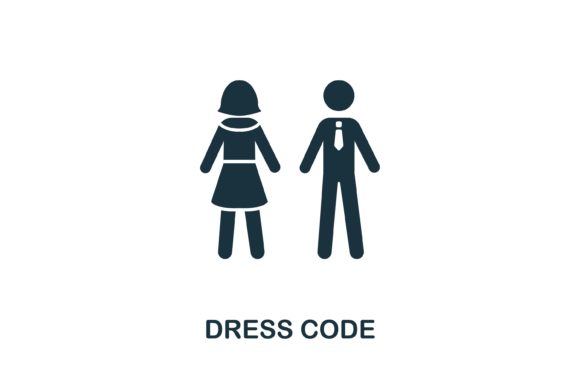
A Dress Code Icon is a simple, stylized illustration that represents specific clothing guidelines. These icons are often part of a larger collection—like a night club collection—and are designed to be instantly recognizable. Whether it's a tie, cocktail dress, jeans, or casual shoes, each icon visually communicates what attire is appropriate or expected.
Most Dress Code Icons are created as vector graphics, making them scalable without loss of quality. You’ll typically receive them in formats like EPS and JPG, which means they’re easy to edit, resize, and integrate into various design projects. This flexibility makes them ideal for web design, templates, infographics, mobile apps, and more.
Why Use a Dress Code Icon?
Icons save time and reduce confusion. When planning an event or managing a venue, clearly communicating the dress code is essential. A simple text line like “Formal” or “Smart Casual” can be subjective. But a well-placed icon removes ambiguity. It gives attendees a visual cue that’s easy to understand, no matter their language or reading level.
For creators, marketers, and entrepreneurs, using a Dress Code Icon streamlines communication and improves the overall user experience. Whether you're building a website, designing an app, or crafting a social media post, these icons help your audience quickly grasp what's expected—without lengthy explanations.
Real-World Applications Across Industries
Event Planners are among the biggest beneficiaries of Dress Code Icons. Whether organizing a wedding, gala, or themed party, a visual indicator of what guests should wear helps avoid wardrobe mishaps. For example, a “Black Tie” icon on an invitation clearly signals a formal event, while a “Casual” icon with jeans and a t-shirt ensures everyone feels comfortable in relaxed attire.
Venue Managers, especially those in the nightlife industry, use these icons to set expectations at the door. A club might feature a “Dress to Impress” icon on its website or social media to encourage stylish outfits, while a laid-back bar might use a “Smart Casual” icon to avoid confusion at entry.
Web Designers and UI/UX Professionals incorporate Dress Code Icons into event registration forms, mobile apps, or booking platforms. These icons make forms more intuitive and improve the user journey. For instance, a hotel booking app might show a dress code icon next to a restaurant reservation option, helping users prepare appropriately before arrival.
Educators and Trainers also find value in these icons. For professional development workshops or school events, a dress code icon can guide students and participants on appropriate attire without lengthy descriptions. It’s especially useful in visual-based learning materials or event schedules.
Bloggers and Influencers who host meetups or collaborate with brands often use these icons in their promotional content. Whether it's a fashion event or a networking mixer, a quick visual cue makes their posts more informative and engaging.
How Different Users Benefit
Each user group interacts with Dress Code Icons in unique ways. Let’s look at a few examples:
- Small Business Owners can use these icons on their websites to clarify dress expectations for job interviews, client meetings, or company events.
- Freelancers working on event-related design projects can easily integrate these icons into their deliverables, saving time and offering professional results.
- Everyday Users attending a friend’s wedding or a themed party can refer to a dress code icon to avoid under- or overdressing.
- Content Creators making videos or presentations about fashion, etiquette, or event planning can use these icons as visual aids to enhance their message.
In each case, the Dress Code Icon serves as a practical tool that simplifies communication and enhances clarity—without the need for long explanations or repeated instructions.
Choosing the Right Dress Code Icon
When selecting a Dress Code Icon, consider the context and audience. A minimalist icon might work best for a modern website, while a more detailed illustration could suit a printed event guide. Look for icons that are scalable, clearly recognizable, and stylistically consistent with your overall design.
If you're purchasing or downloading a pack, check what file formats are included. Most quality sets provide both EPS and JPG files, ensuring compatibility with a range of design software. Also, make sure the license allows for both personal and commercial use, especially if you're incorporating the icon into client work or branded materials.
Don’t overlook the importance of customization. Since many Dress Code Icons come in vector format, you can easily tweak colors, adjust sizes, or combine them with other graphics to match your project’s aesthetic. This adaptability makes them a valuable asset across multiple platforms and industries.
Maximizing the Value of Your Icon
To get the most out of your Dress Code Icon, think beyond just placing it on a poster or webpage. Integrate it into your overall design strategy. Pair it with complementary icons—like those for food, music, or accessibility—to create a cohesive visual language for your event or platform.
For digital marketers, these icons can boost engagement when used in email campaigns or landing pages. A quick visual cue helps readers absorb information faster, increasing the likelihood of event attendance or form completion.
If you're teaching a class or creating a how-to guide, consider using these icons as part of a checklist or visual reference sheet. They help learners retain information and follow guidelines more effectively than text alone.
Final Thoughts
The Dress Code Icon may seem like a small design element, but its impact is significant. From improving event communication to streamlining digital interfaces, this simple illustration plays a key role in enhancing clarity and user experience. Whether you're a designer, marketer, educator, or everyday user, having access to a high-quality, easy-to-edit icon set can make your projects more professional and your messages more effective.
So the next time you're planning an event, updating a website, or creating an infographic, consider how a Dress Code Icon can help you communicate more clearly and efficiently. With the right visuals, you're not just sharing information—you're creating a better experience for your audience.