Enhancing Visual Communication with Face Lift Icons in Web and Graphic Design
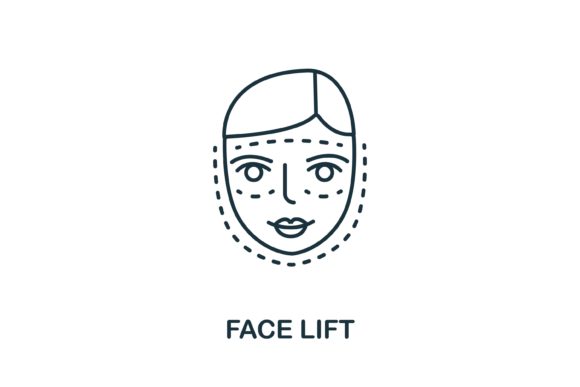
In the world of digital design, visual clarity and consistency are essential for conveying messages effectively. One element that supports this clarity is the Face Lift icon—a simple yet powerful symbol used in templates, web design, and infographics. Whether you're building a presentation, designing a user interface, or crafting a marketing asset, the Face Lift icon offers a clean, recognizable way to represent themes related to rejuvenation, transformation, and enhancement.
As part of a broader set of vector graphics, the Face Lift icon is typically delivered in formats such as EPS and JPG, making it easy to edit, scale, and integrate into a wide range of design workflows. Its versatility supports both professional designers and non-designers who need to communicate visually without compromising quality or efficiency.
Understanding the Role of Face Lift Icons in Design Systems
The Face Lift icon is more than just a visual element—it's a communicative tool that helps users interpret content quickly. In design systems and brand assets, icons like Face Lift are used to represent specific functions or concepts without relying solely on text. This is especially useful in multilingual environments or when designing for mobile interfaces where space is limited.
When integrated into a larger icon set, the Face Lift symbol contributes to a consistent visual language. This consistency supports better user understanding and improves the overall usability of digital products. For example, in a health or beauty-related application, the Face Lift icon might be used to denote a rejuvenation feature, a before-and-after comparison tool, or a personal transformation tracker.
Using Face Lift Icons Across Different Stages of a Project
Design assets like the Face Lift icon can be valuable at various points in a project lifecycle. Here’s how they can be applied effectively:
- Planning Phase: During the initial design phase, icons help visualize the structure of an interface or layout. Face Lift can be used in wireframes to indicate areas related to personal transformation or enhancement.
- Design Phase: As mockups are built, the Face Lift icon becomes a functional element within the UI. It can be styled to match brand colors and paired with other icons to maintain visual harmony.
- Development Phase: Developers can easily integrate the icon using the provided EPS or JPG files, ensuring scalability and responsiveness across devices.
- Post-Launch: After deployment, the icon continues to serve as a key visual cue. It may be reused in marketing materials, infographics, or support documentation to maintain brand consistency.
Integrating Face Lift Icons into Workflows and Tools
One of the advantages of using vector-based icons like Face Lift is their compatibility with common design and development tools. Whether you're working in Adobe Illustrator, Figma, Sketch, or a web development environment, these icons can be imported, resized, and customized without loss of quality.
For teams using design systems or component libraries, Face Lift can be added to a shared asset repository. This ensures that all team members—designers, developers, and content creators—have access to the same version of the icon, reducing inconsistencies and improving collaboration.
Additionally, the Face Lift icon can be combined with other tools such as:
- Content Management Systems (CMS): Easily embed the icon in blog posts, landing pages, or product descriptions.
- Presentation Software: Use the icon in slides to visually represent themes of change, improvement, or renewal.
- Data Visualization Platforms: Incorporate the icon into dashboards or reports to symbolize transformation metrics or user progress.
Practical Tips for Using Face Lift Icons Effectively
To get the most out of the Face Lift icon, consider the following best practices:
- Maintain Visual Consistency: Ensure the Face Lift icon matches the style of other icons in your set. This includes line weight, color palette, and overall design aesthetic.
- Optimize for Scalability: Use the EPS format for print and vector editing, and JPG for web use. Always test the icon at different sizes to ensure clarity on all screens.
- Use Contextually: Apply the Face Lift icon where it adds value and clarity. Avoid overusing it in areas where its meaning might be ambiguous.
- Label When Necessary: While icons are powerful visual shorthand, they should be paired with text in contexts where clarity is critical, especially for accessibility and international audiences.
- Test with Users: If the icon is being used in a product or service, conduct usability testing to confirm that users understand its intended meaning.
Face Lift Icons in Business and Marketing Materials
Beyond web and app design, Face Lift icons are also valuable in business and marketing contexts. For entrepreneurs, marketers, and small business owners, visual assets play a key role in branding and customer engagement. The Face Lift icon can be used in:
- Social Media Graphics: Highlighting transformations, promotions, or new features.
- Email Newsletters: Drawing attention to rejuvenation services or customer success stories.
- Pitch Decks and Proposals: Symbolizing growth, improvement, or innovation in a visual way.
By integrating the Face Lift icon into these materials, professionals can create a more engaging and cohesive visual narrative that aligns with their brand message.
Long-Term Value and Scalability of Face Lift Icons
Icons like Face Lift aren’t just one-time assets—they can be reused and repurposed across multiple platforms and campaigns. This makes them a valuable investment for individuals and teams looking to build scalable design systems or maintain a consistent brand identity over time.
When stored in a centralized asset library, Face Lift icons become part of a reusable design vocabulary. This not only improves efficiency but also reduces the time and effort required to produce new content. As your brand or project evolves, you can update or expand the icon set to reflect new directions while maintaining a familiar visual language.
Conclusion: Making Face Lift Icons a Part of Your Visual Toolkit
Incorporating the Face Lift icon into your design workflow can enhance clarity, streamline communication, and support a more cohesive visual experience. Whether you're a web designer, marketer, educator, or entrepreneur, this simple yet effective symbol can help you convey complex ideas quickly and professionally.
By understanding how to use Face Lift icons effectively—across different tools, phases of a project, and design contexts—you can improve both the efficiency of your workflow and the impact of your visual content. With the flexibility of EPS and JPG file formats, integrating Face Lift into your work has never been easier or more adaptable.